
What Exactly Is Corrugated?
Engineered for tough transport, cost-effective, lightweight, easy to handle, sustainable and customizable.
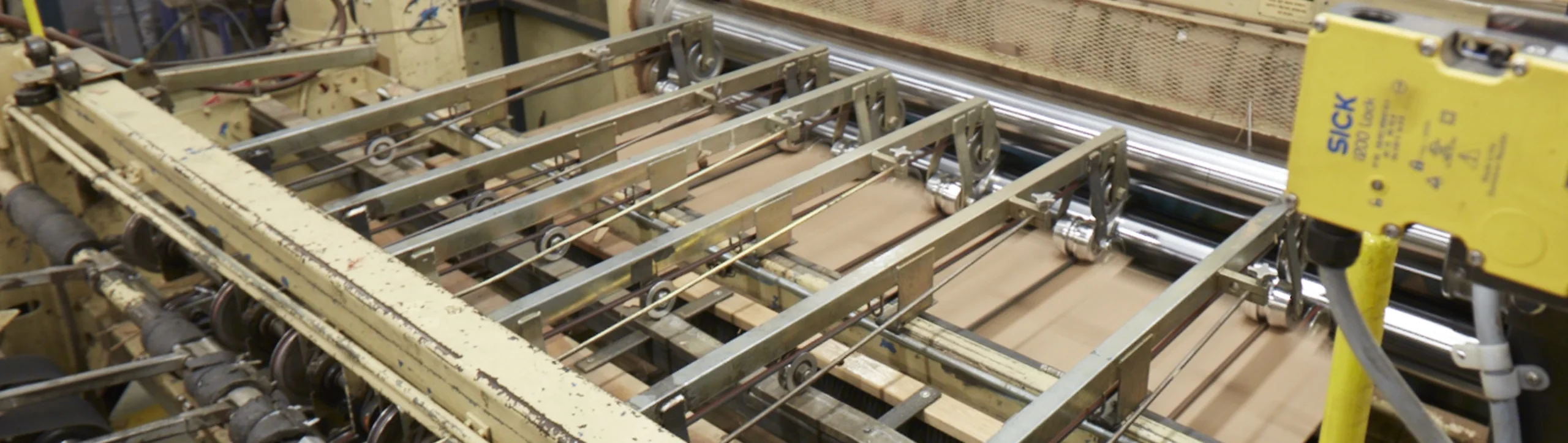
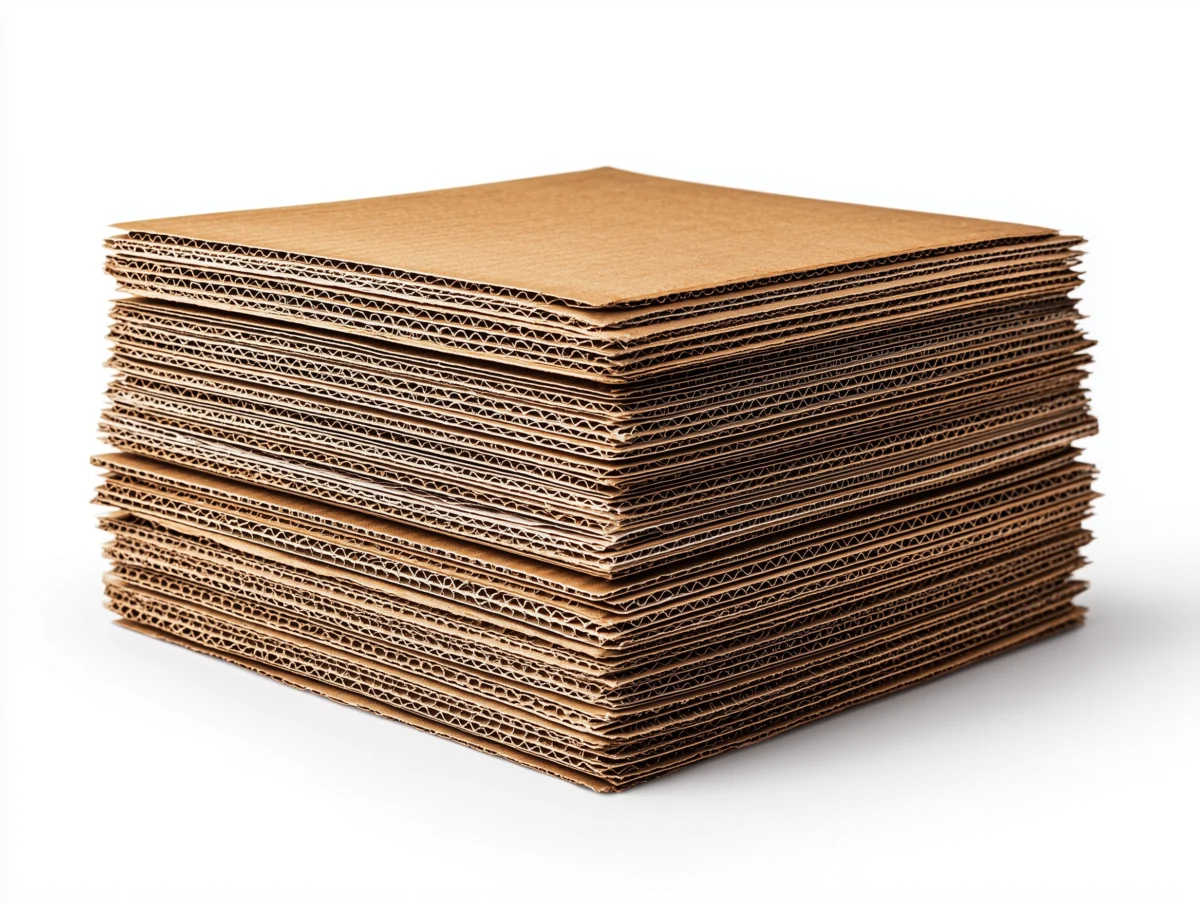
You may think it’s just a simple box. But if you look deeper, you’ll see that it’s so much more. Corrugated materials include three layers. In the middle is fluting, which is a wavy piece of paper. This fluting sits between two straight pieces of flat linerboard. Together, these three pieces make up a corrugated sheet and produce an exceptionally strong and powerful yet lightweight material.
But we know different products have different packaging needs, so corrugated packaging is easily customizable, from double- and triple-wall boards for extra protection and durability to retail-ready and display packaging that is fully branded.
Why Choose Corrugated Packaging?
Customizable • Recyclable • Durable • Cost-Effective • Lightweight • Sustainable • Innovative • Strong • Safe
Where else would you find so many elements rolled up into one item?
Watch our award-winning Humble Box series. Bet you’ll learn something you didn’t know about corrugated cardboard boxes.
Recyclable
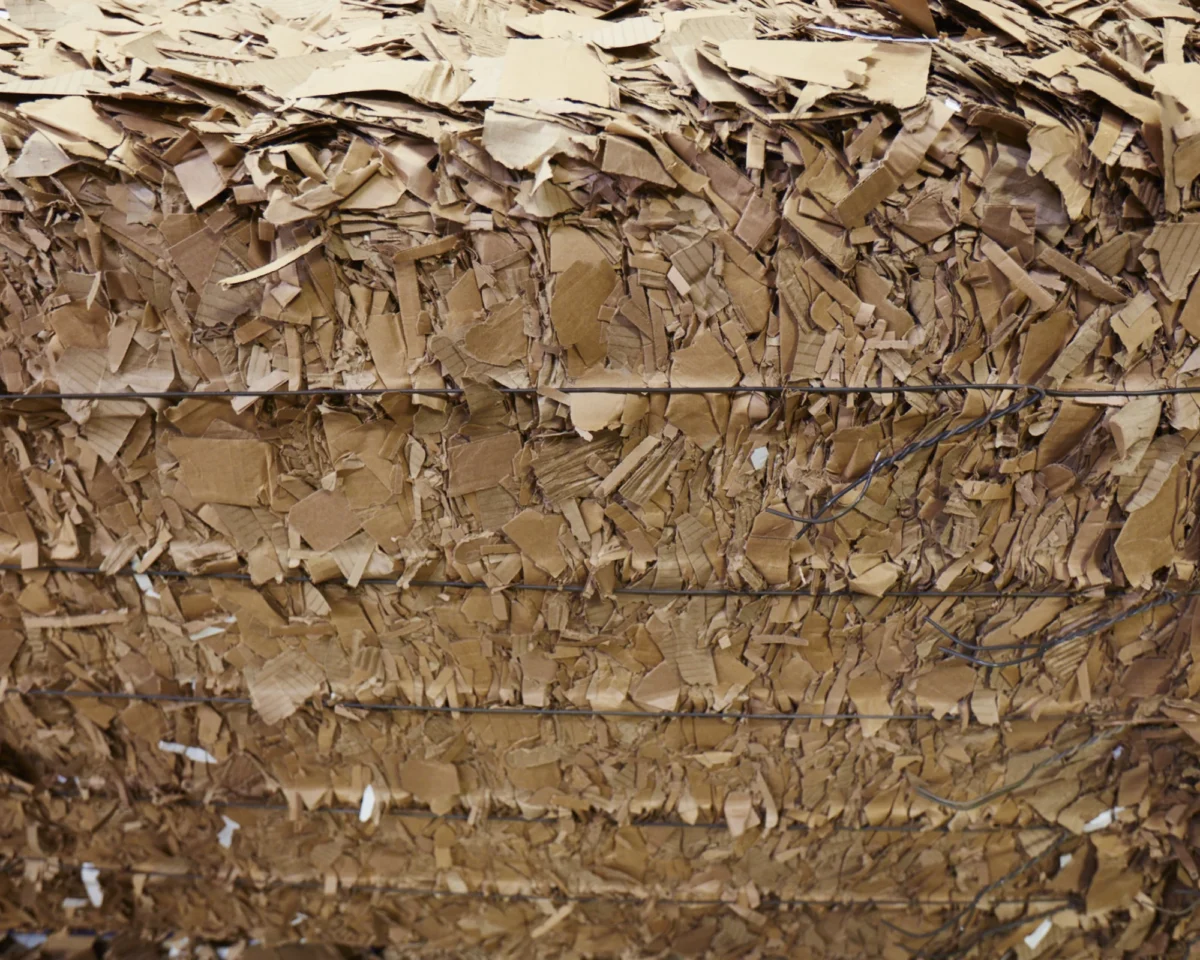
Corrugated boxes are recycled more than any other packaging material in Canada. New corrugated boxes are made from old corrugated containers (recycled boxes). Our industry has been using recycled content to manufacture new boxes for more than 60 years – long before recycling was widely adopted in households and businesses across Canada as it is today.
Thanks to Canada’s extensive and widely accessible Blue Box program, combined with an established network of industry recycling partners, such as grocers and retailers, corrugated recycling is efficient, reliable and available coast to coast. Recycling helps protect our environment and contribute to our industry’s circular economy. It reduces waste from being sent to landfills and drastically reduces the need to use virgin materials. Using corrugated boxes contributes to your company’s sustainability goals because you are choosing packaging that is made from recycled content and can be recycled into new packaging.
Customizable
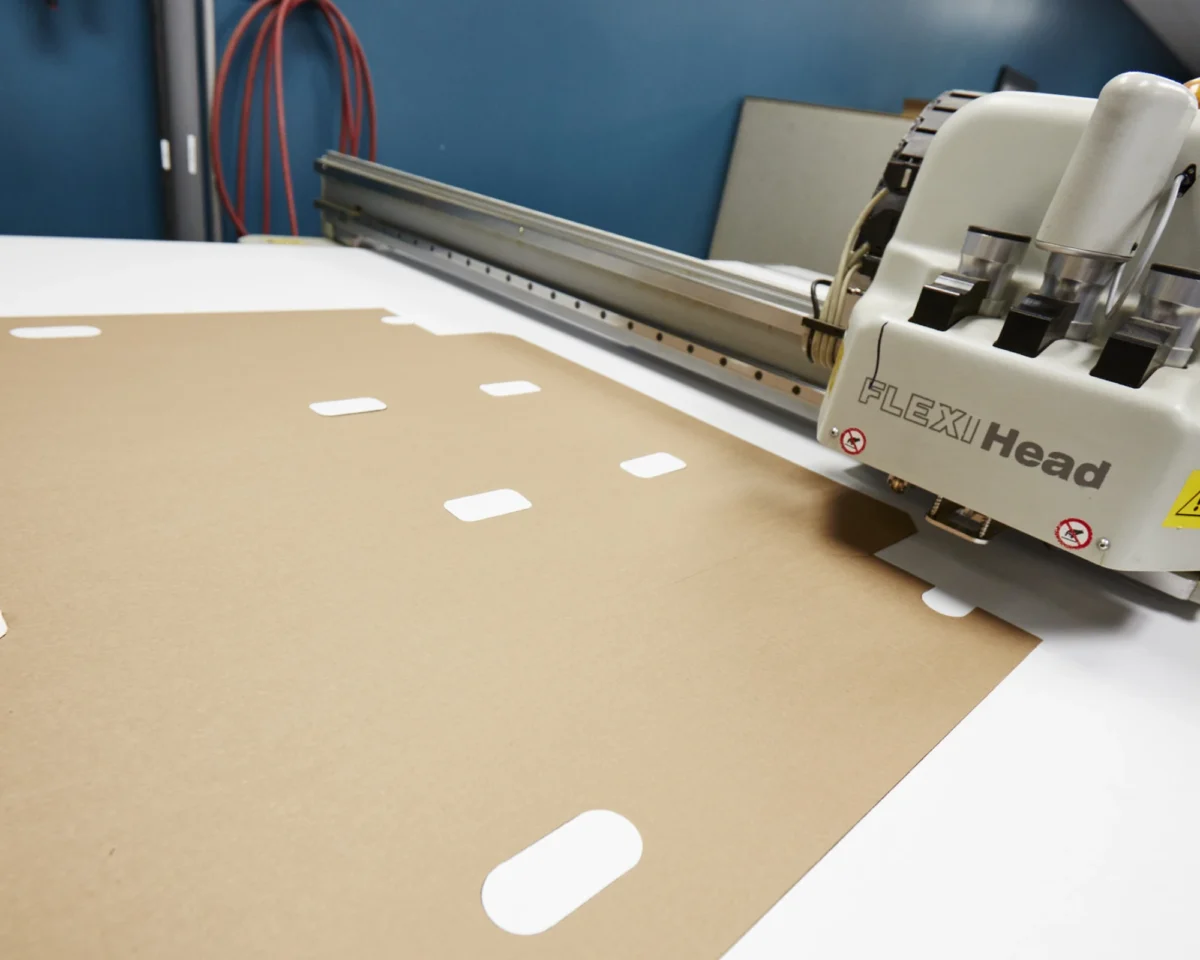
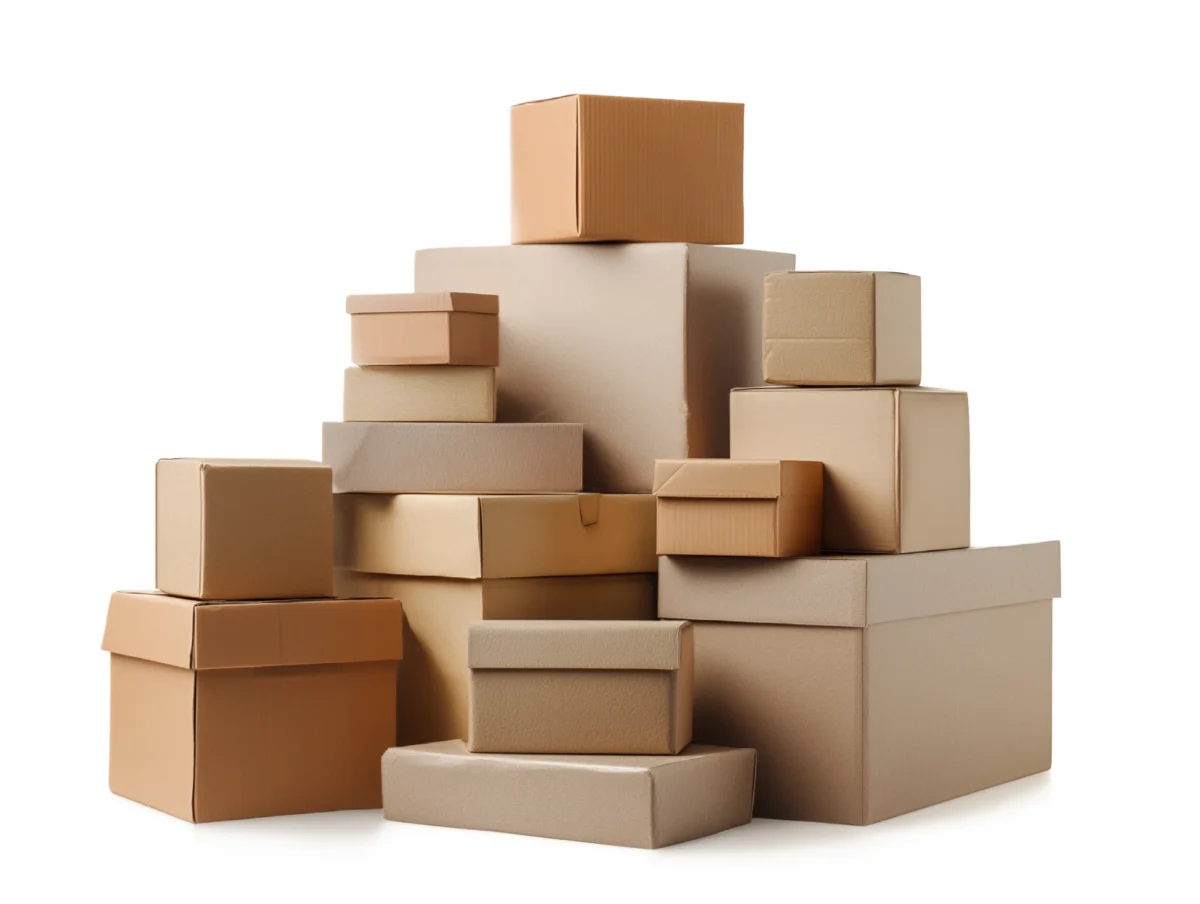
Corrugated boxes can be customized to fit the different needs of brands, including sizing, strength, shape and colours/graphics. Think about how a box can be opened – on the top or side, using two flaps or one. Or the graphics and messaging on the inside or outside of a box. Even the shape of a box can make an impact. Boxes can even come in easy-to-assemble and disassemble designs, so customers can easily open and recycle packaging after use. These features enable brands to engage with their consumers or customers and create a unique unboxing experience.
Durable
The unique combination of linerboards and corrugated fluting provides strength and structure to boxes that protects the items within during transport and storage. The flute distributes weight and pressure to resist being crushed or bent. It also acts as a cushion that absorbs pressure or shock from vibrations (being dropped or tossed) during transport and handling. Smaller flute sizes and more corrugated/linerboard layers can increase the strength of a box, which becomes useful when transporting delicate items or stacking multiple boxes for shipping or storing.
Cost-Effective
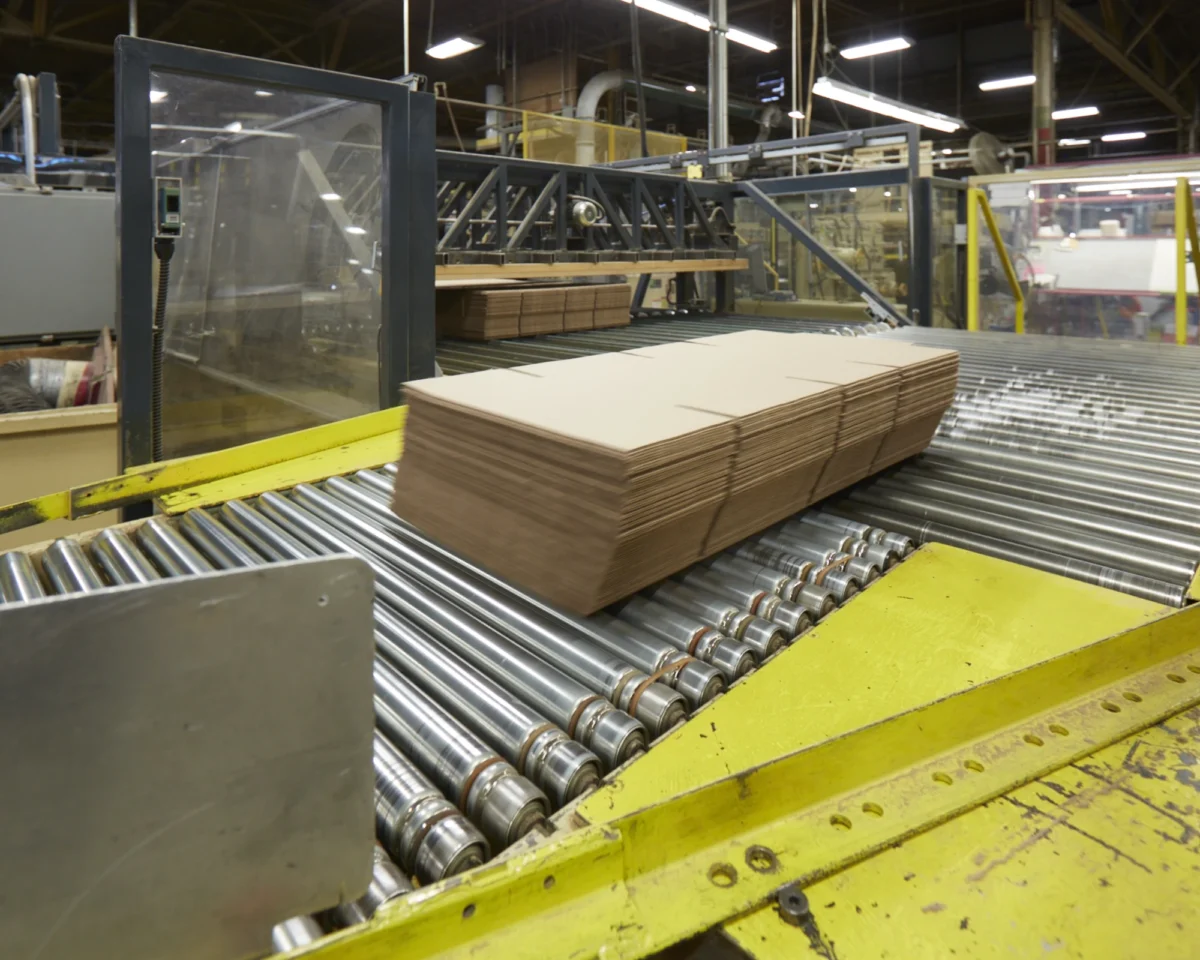
Cost is a major factor for any business. Choosing corrugated boxes helps your bottom line because they are made from inexpensive materials, keeping production costs reasonable. Being lightweight, shipping costs are reduced compared to heavier packaging materials, and the products inside are still protected and arrive safely at their destinations. The ability to print on boxes – inside and outside – also lowers brands’ expenses by using their shipping vessels to engage with customers or consumers instead of printing inserts and other branding materials.
Lightweight
It may be surprising that something so light can be so strong and durable. The structure – corrugated flutes between two linerboards – provides strength without adding weight, so corrugated boxes can withstand pressure and still safely deliver products to their destinations. Lightweight packaging reduces shipping costs and is easier to handle.
Sustainable
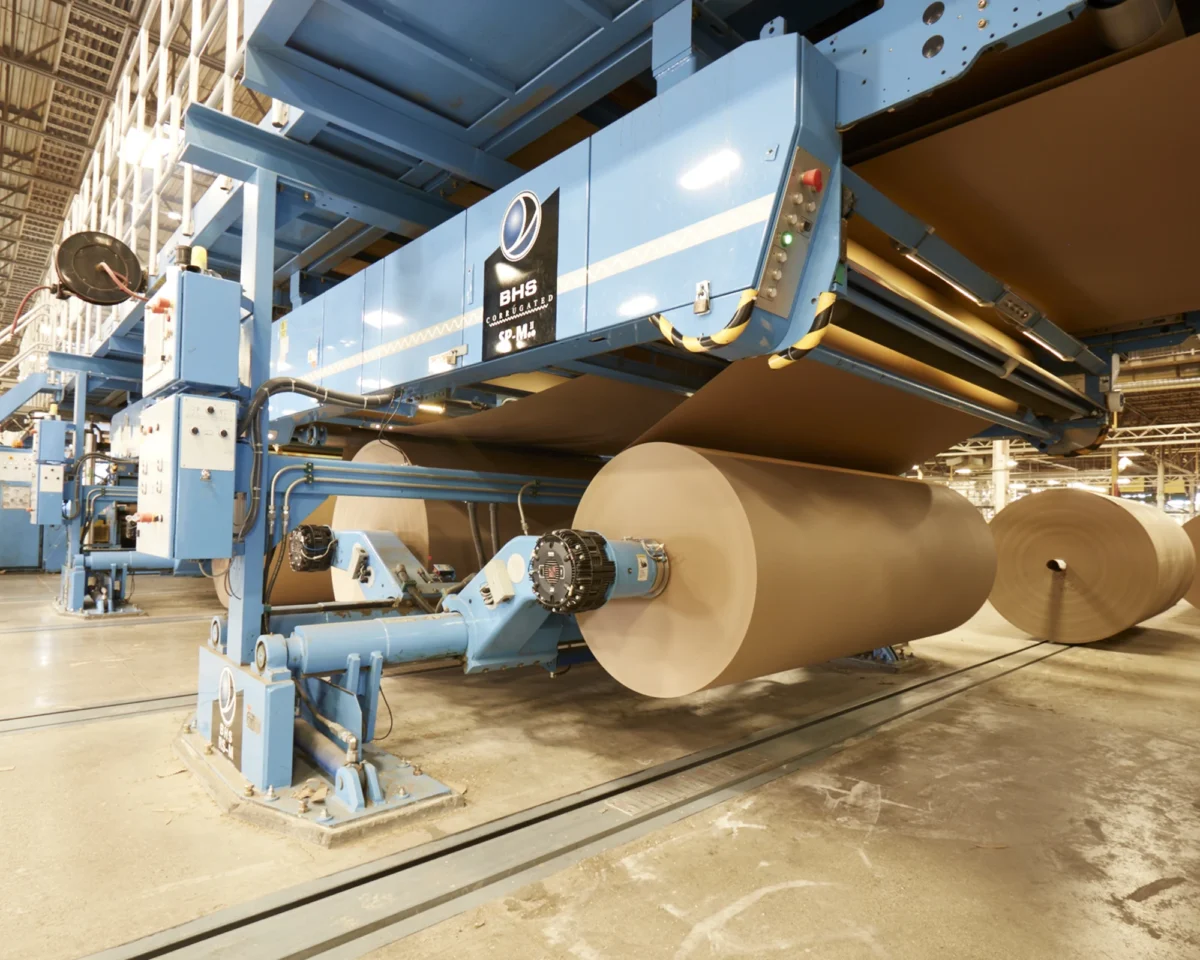
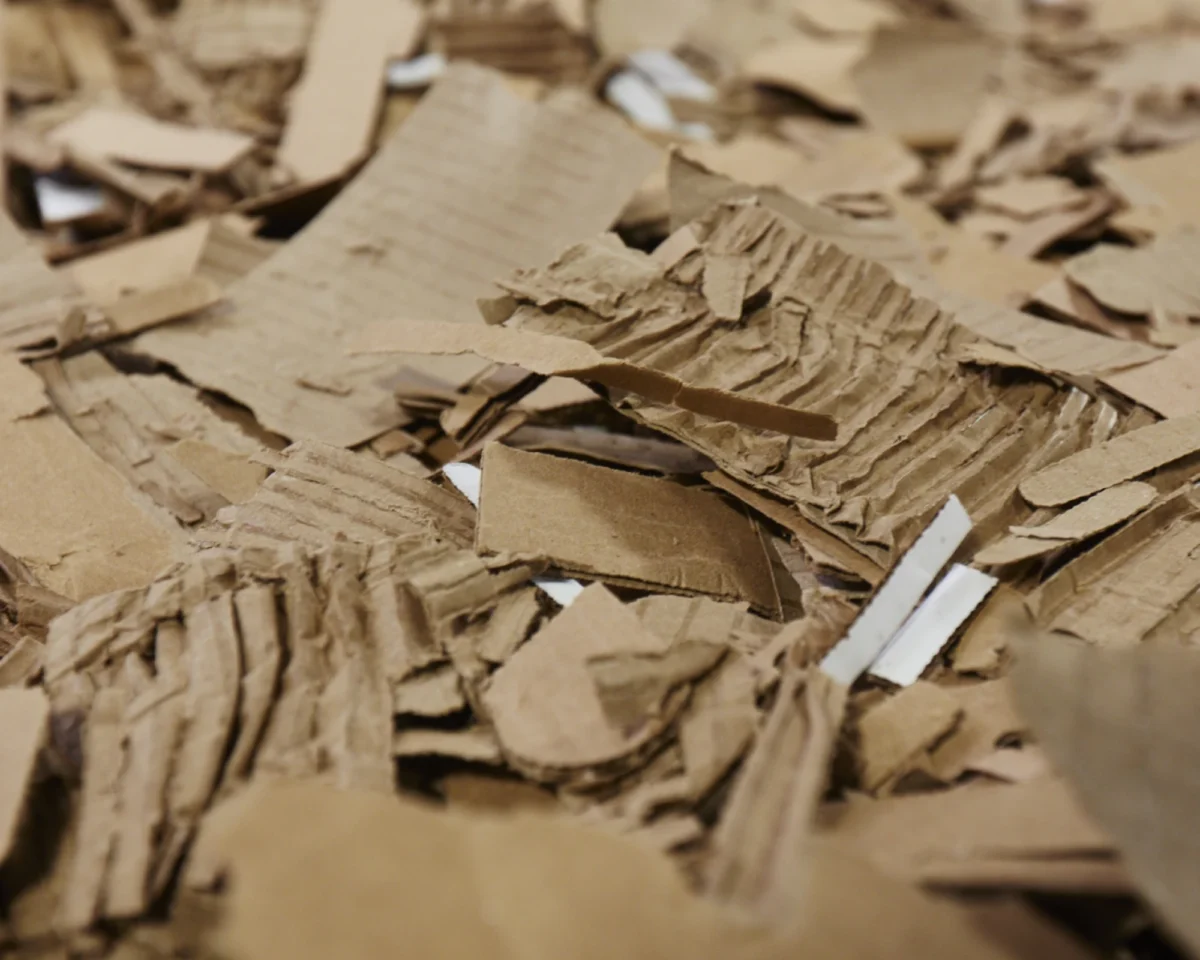
Corrugated boxes produced in Canada are made from old corrugated containers (recycled corrugated boxes) many times over. The original fibre to make corrugated and linerboard comes from trees, a natural renewable resource grown in third-party certified sustainably managed forests. On the production side, companies have reduced their carbon footprints through a variety of measures, including the integration of equipment that captures manufacturing byproducts, such as steam and sludge, and reuses it within the facility. Combined with using recycled boxes to produce new ones, the corrugated industry is truly one of the world’s first circular economies.
Innovative
The corrugated industry has evolved from production and equipment used in manufacturing to the actual boxes themselves. Technological advancements enabled the industry to produce corrugated boxes in virtually any size and numerous shapes so that items are properly protected during transport. The industry has developed equipment and processes to print full-colour and detailed graphics inside and outside the box, giving brands more control over packaging.
Safe
Corrugated boxes are designed for one use, making them naturally clean and hygienic for every shipment. After use, they are collected, recycled, and remade into new boxes, completing a safe, circular lifecycle. Corrugated boxes can be customized with venting to improve airflow for perishable items, while adhesives used to keep boxes together can also resist humidity and help protect contents. Unlike alternative packaging, which must be cleaned between uses and can be vulnerable to cross-contamination, corrugated boxes provide fresh, uncontaminated protection for each product, helping keep goods, especially food and pharmaceuticals, safe from start to finish, but while being part of a closed-loop circular system through recycling.